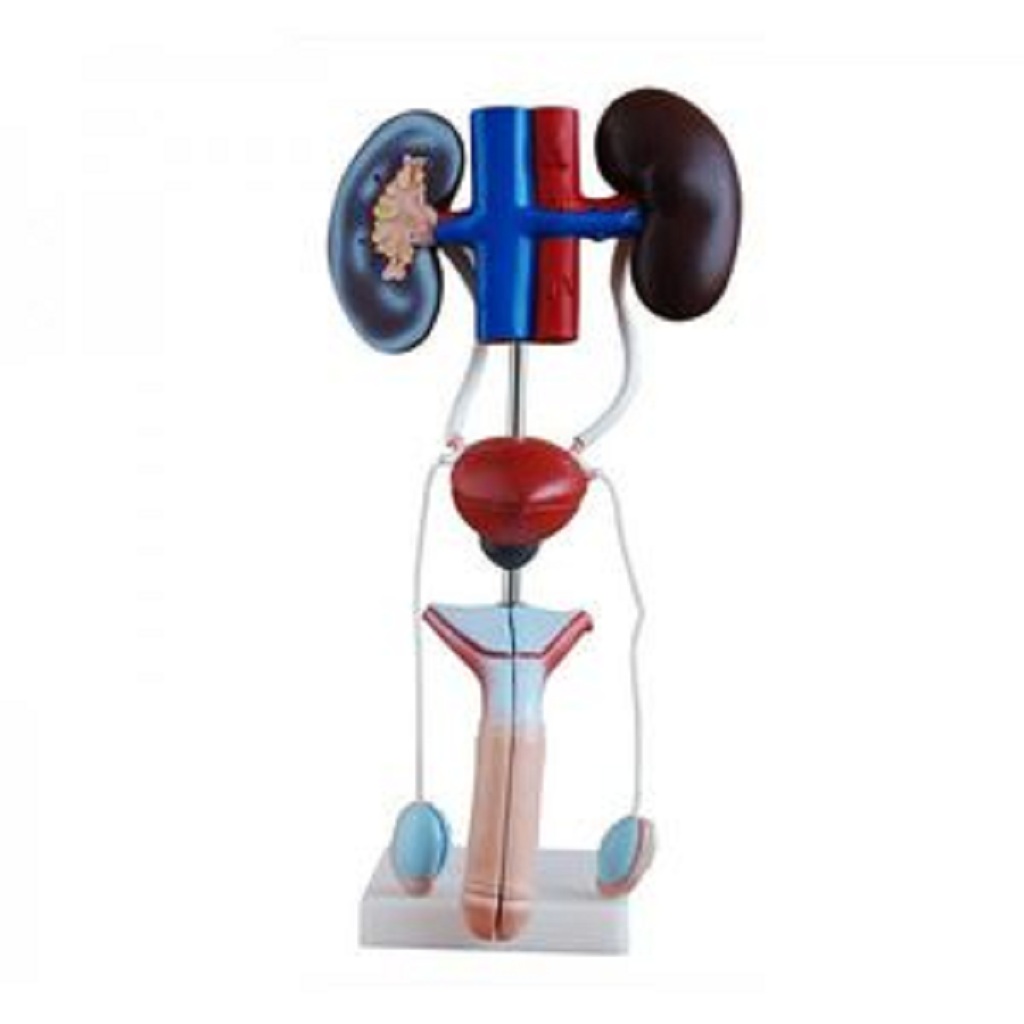
The Male Genitourinary System is a combined anatomical and functional unit responsible for urine production/elimination and reproduction. It includes both external and internal organs that produce sperm, secrete male sex hormones (testosterone), and facilitate the excretion of waste. The male GU system is divided into two main categories:
- Testes (Testicles): Paired oval-shaped glands within the scrotum that produce sperm and testosterone.
- Scrotum: A loose pouch of skin hanging behind the penis that acts as a climate control system, keeping the testes slightly cooler than body temperature for optimal sperm production.
- Penis: The external sexual organ that contains erectile tissue (corpora cavernosa and corpus spongiosum) and houses the urethra for passing both urine and semen.
- Epididymis: A long, coiled tube on the back of each testicle that stores sperm and aids in their maturation.
- Vas Deferens: A thick-walled muscular tube that transports mature sperm from the epididymis to the ejaculatory ducts.
- Seminal Vesicles: Accessory glands that produce a significant portion (up to 80%) of the fluid that makes up semen, including fructose for energy.
- Prostate Gland: A walnut-sized gland that adds fluid to the ejaculate to nourish sperm. The urethra passes through its center.
- Bulbourethral (Cowper’s) Glands: Produce a lubricating fluid that empties into the urethra.
- Urethra: A tube connecting the bladder to the exterior, running through the penis.
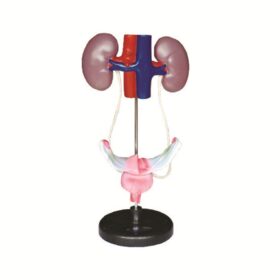
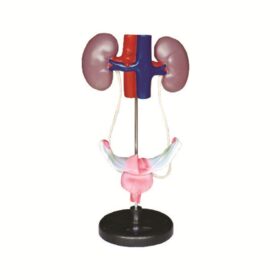
- Kidneys and Ureters: Responsible for filtering blood and transporting urine to the bladder.
- Bladder: A hollow organ in the pelvis that stores urine.