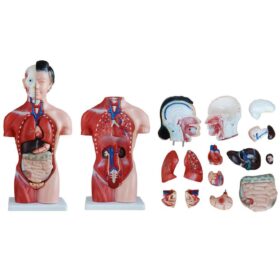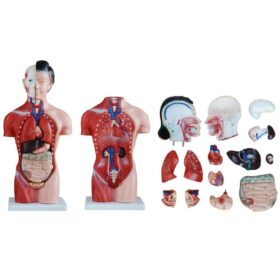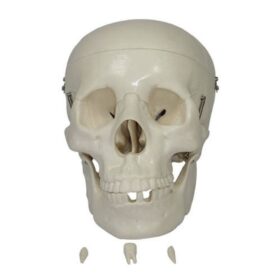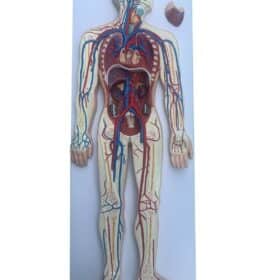
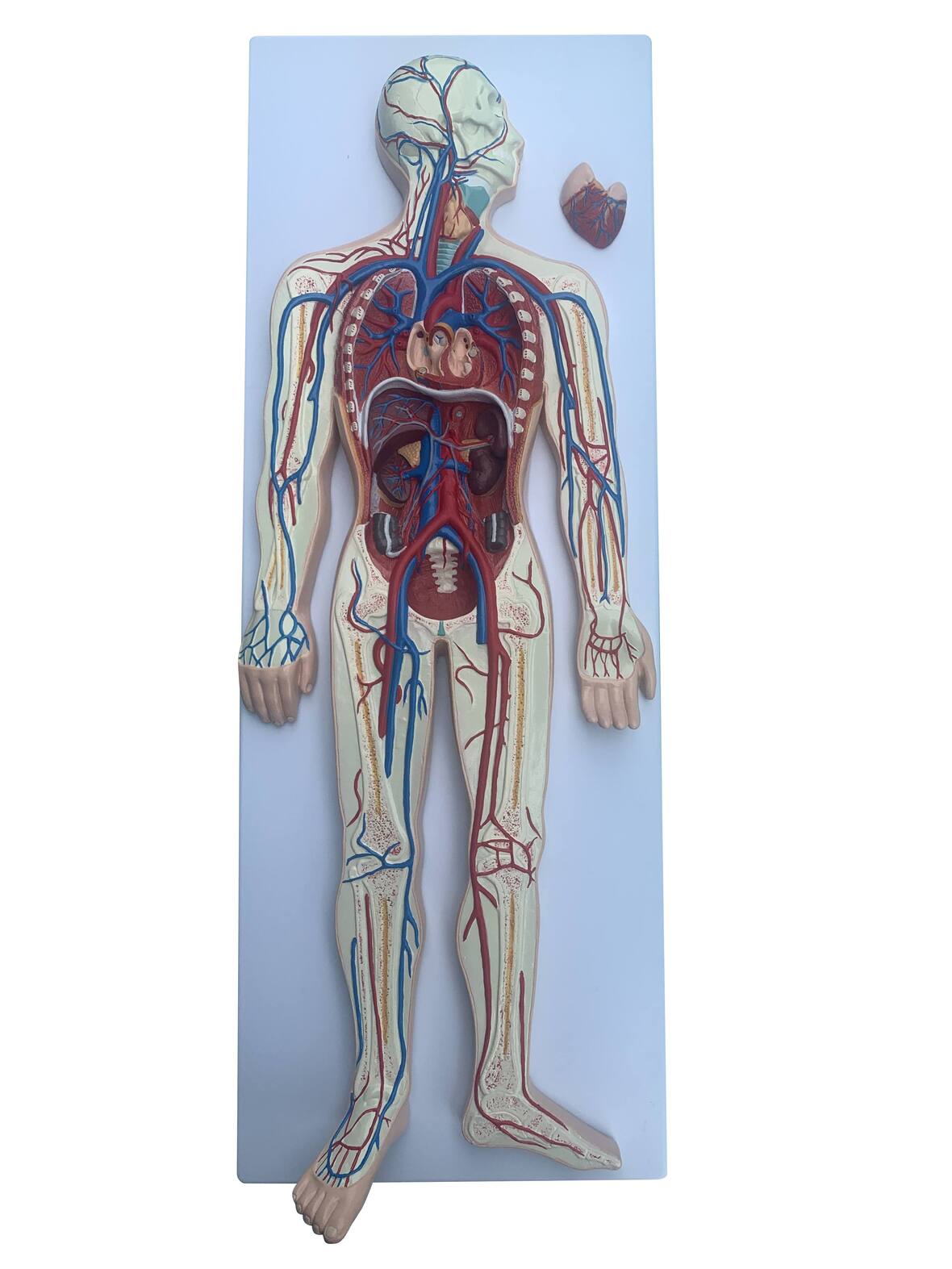
The Circulatory System Model is a specialized anatomical teaching aid that provides a comprehensive overview of the human cardiovascular system. It is widely used in medical education to help students visualize the complex flow of blood and the relationship between major organs. The model is designed as a relief or board-mounted display and typically includes the following components:
- Major Organs: It features detailed representations of the heart (often 2 parts), lungs, liver, spleen, and kidneys.
- Vascular Pathways: Shows the complete connections between the pulmonary and systematic circulatory pathways.
- Color Coding: Arteries are typically colored red and veins are colored blue for easy differentiation.